
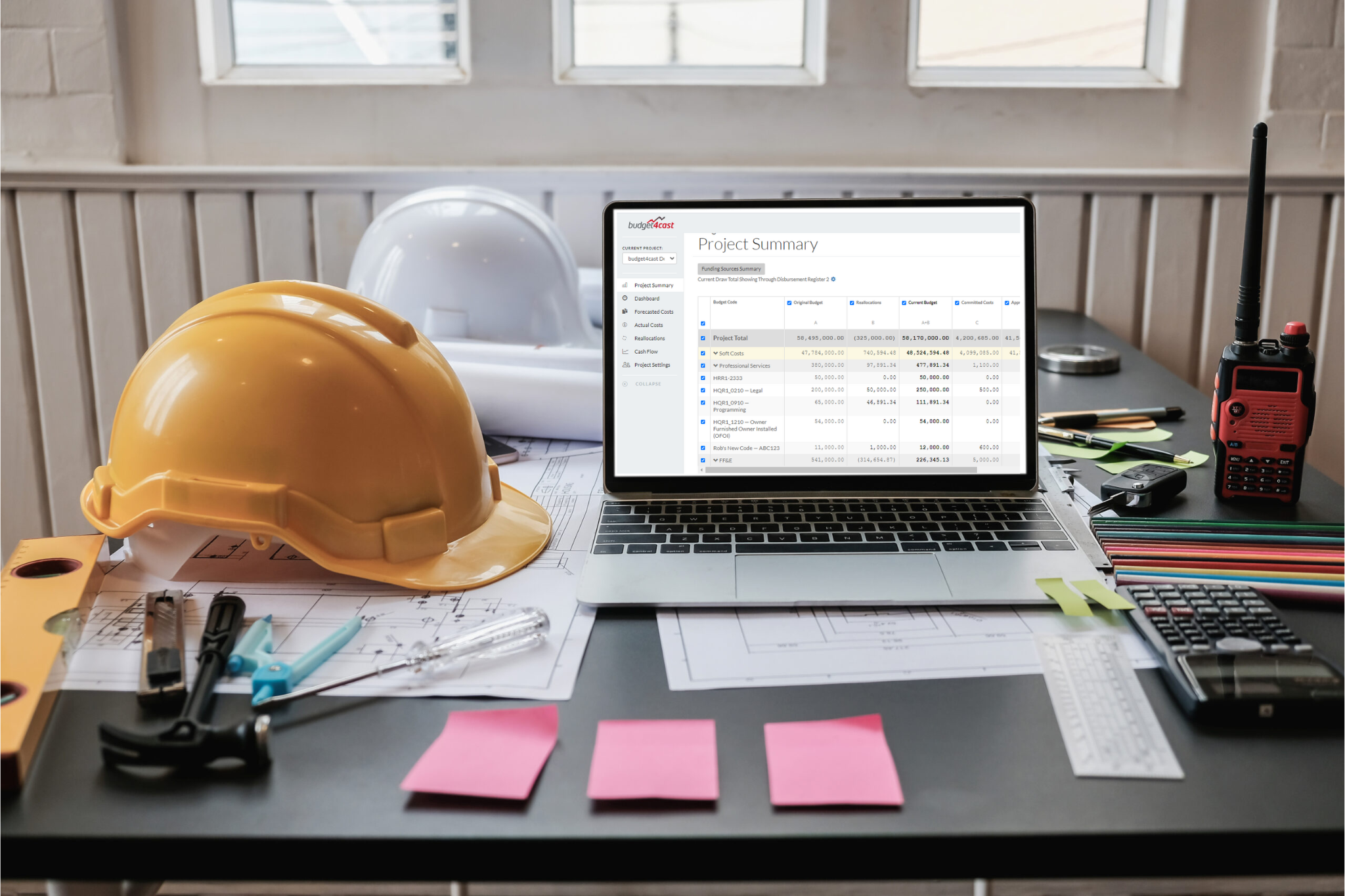
Construction budgeting establishes the financial plan for a project, but that plan must be evaluated as contracts are signed, expenses are recorded, and project requirements change. Without forecasting, we may know how much we originally allocated without understanding how much the project is expected to cost at completion. Budgeting and forecasting serve different purposes, and we need both to make informed financial decisions. At budget4cast, we help construction project managers, owners’ representatives, and developers organize budgets, track financial commitments, and evaluate projected costs throughout a project.
Understand the Difference Between Budgeting and Forecasting
Construction budgeting defines how much we plan to spend across different areas of a construction project. Forecasting helps us estimate how those costs may develop as we receive vendor quotes, enter contracts, process invoices, and evaluate potential changes. For example, we might allocate a set amount for electrical work when establishing a commercial building budget. Once a contractor submits a proposal, we can record the commitment and compare it with the original allocation. If additional work is proposed, we can evaluate how that change affects our expected final cost. With budget4cast, we can organize these financial details within the project budget instead of treating the original plan as the only number that matters.
Track Commitments Before All Expenses Are Paid
A project can appear financially healthy when we look only at invoices already paid or recorded. However, signed contracts and other commitments may represent substantial future expenses that have not yet appeared in actual costs. We need to account for these obligations when evaluating the money remaining in our budget. budget4cast allows us to enter committed costs, uncommitted estimates, potential changes, and approved changes against specific budget codes. We can also associate vendors and supporting PDF documents with forecasted costs. By comparing commitments and estimates with actual expenses, we gain a more complete view of the project’s financial position before outstanding costs become unexpected surprises.
Update Forecasts as Project Costs Change
Construction budgeting rarely remains untouched from planning through completion. A revised vendor quote, an additional scope request, or a change in contract pricing can affect the amount we expect to spend. We need a forecasting process that accounts for these developments and helps us evaluate their financial impact. budget4cast includes an Auto Forecast feature that creates an uncommitted cost placeholder for selected budget lines and updates it as other costs are entered. We can also track potential and approved changes, compare actual costs against the forecast, and review estimated costs at completion. These tools help us assess whether the current budget remains sufficient or whether adjustments deserve further consideration.
Connect Forecasting With Cash Flow Planning
Knowing the projected total cost does not tell us exactly when project funds will be needed. We also need to understand the timing of expected expenditures to plan funding and financial obligations. For example, a project may require substantial payments during a construction phase when materials and subcontractor work are concentrated. With budget4cast, we can create cash flow projections for individual budget codes using straight-line, S-curve, or manually defined monthly spending models. We can then compare projected cash flow with actual expenditures. When a project involves multiple funding sources, we can also associate forecasted costs with the appropriate source, helping us evaluate spending across different funding allocations.
Use Financial Reporting to Support Better Decisions
Budgeting and forecasting become more useful when we can communicate what the numbers mean to the people responsible for the project. Project managers may need to investigate a particular vendor expense, while owners may want an overview of projected costs and remaining budget. budget4cast provides project summaries, customizable reporting, and filters that help us examine financial information by budget category and other available criteria. We can export reports as PDF or CSV files and provide stakeholders with view-only or editing access according to their responsibilities. This gives us a practical way to review project finances, explain budget changes, and support discussions about upcoming costs.
Bring Construction Budgeting and Forecasting Together
Budgeting establishes our financial plan, while forecasting helps us evaluate whether that plan still reflects the project’s expected costs. When we use both, we can consider outstanding commitments, anticipated expenses, approved changes, and cash flow requirements rather than relying on the original estimate alone. At budget4cast, we bring budget organization, cost tracking, forecasting, and financial reporting together in a construction-focused platform. Explore our features and start a free trial to see how budget4cast can help us manage construction project finances from the initial budget through completion.